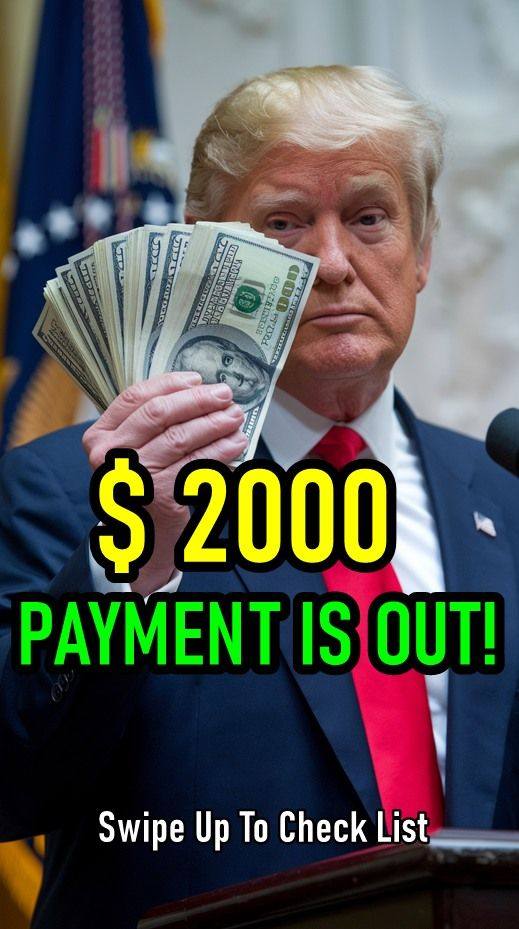
The message hit Mason’s phone just after dawn: “The $2,000 Trump payment is out. Check the list to see if your name is on the list.” No sender ID, no metadata he recognized, just a blunt line that read like a cross between a political blast and a low-grade phishing attempt.
He stared at it while the coffee maker rattled behind him. He wasn’t the type to chase stimulus rumors or scroll for payout updates, but the language was calibrated—“payment,” “list,” “eligibility,” all terms that trigger the financial survival instinct in people whether they realize it or not. He tried to dismiss it as noise, another scam exploiting economic anxiety. But the phrasing stuck with him, especially the idea of his name being tied to anything involving disbursements, benefits, or government-issued funds.
He forced himself to ignore it through the morning, but by lunch, the uncertainty got under his skin. Mason hated unresolved variables. And when money entered the equation—even hypothetical money—it added pressure.